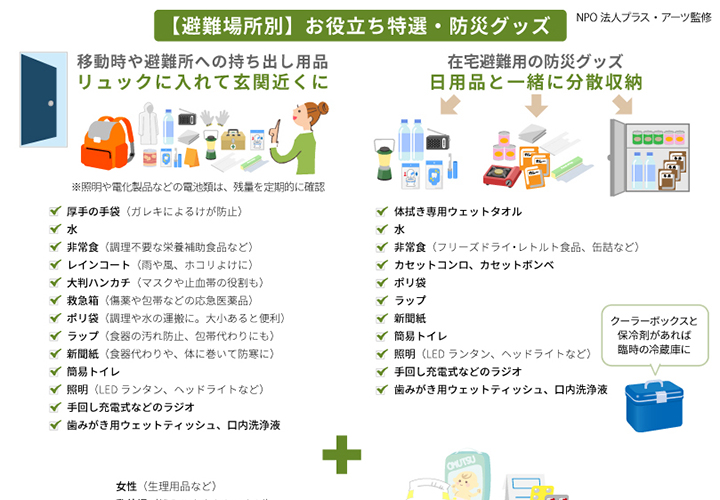

Possible situations in a large-scale disaster such as a Tokyo metropolitan earthquake
● Lifelines may be damaged, and electricity, gas, water, and sewage could be unavailable for some time.
● Roads may be blocked by debris, and distribution could stop for several days.
● If your home is safe, you are expected to remain and live at home under these conditions for the time being.
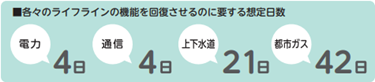
Estimation of damage in the event of an earthquake directly hitting Tokyo (Announced on May 25, 2022)
The recommendation for “everyday stockpiling”
To prepare for disasters that can happen at any time, it is important to keep the food and daily necessities you need for life at home on a regular basis.
As a key point of stockpiling, Tokyo recommends practicing “everyday stockpiling.”
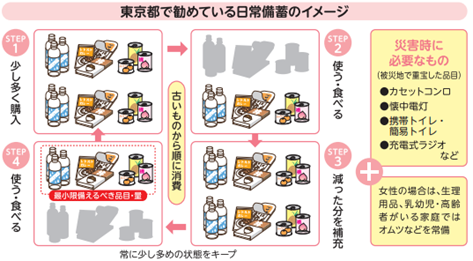
“Everyday stockpiling” means always keeping a little extra of the food and daily necessities you normally use, so they can be used even when lifelines and logistics stop for a period during a large-scale disaster.
Compared with conventional stockpiling, which was considered special preparation of items not used in daily life, this method is easier to manage and sustain.
How much should you stockpile?
Considering damage to lifelines and delays in supply, aim for at least three days first. Even if distribution gradually recovers, it may take time before needed items become readily available, so plan stockpiles with one week and beyond in mind.
It is also important to regularly check that items like flashlights, rechargeable radios, and cassette stoves actually work.
What you can do with “Tokyo Stockpile Navi”
The necessary items and quantities vary by household and residence.
● By answering just three simple questions, you can learn the recommended items and quantities for your household.
● You can check your current stockpile status and calculate a score, and compare it with your previous status and score.
● Each item can also be purchased via shopping sites.
イメージ
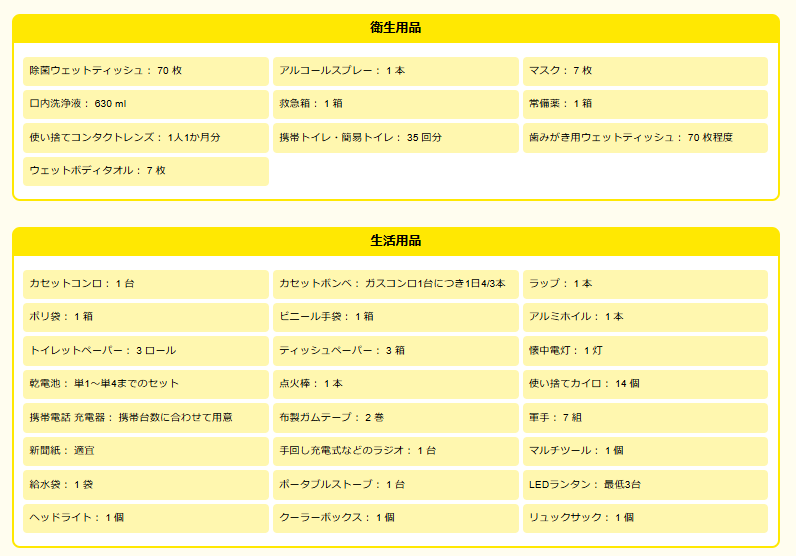
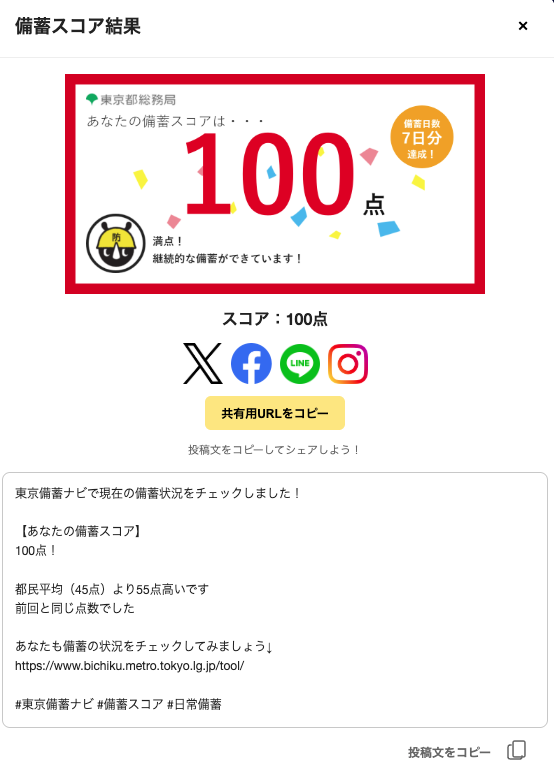
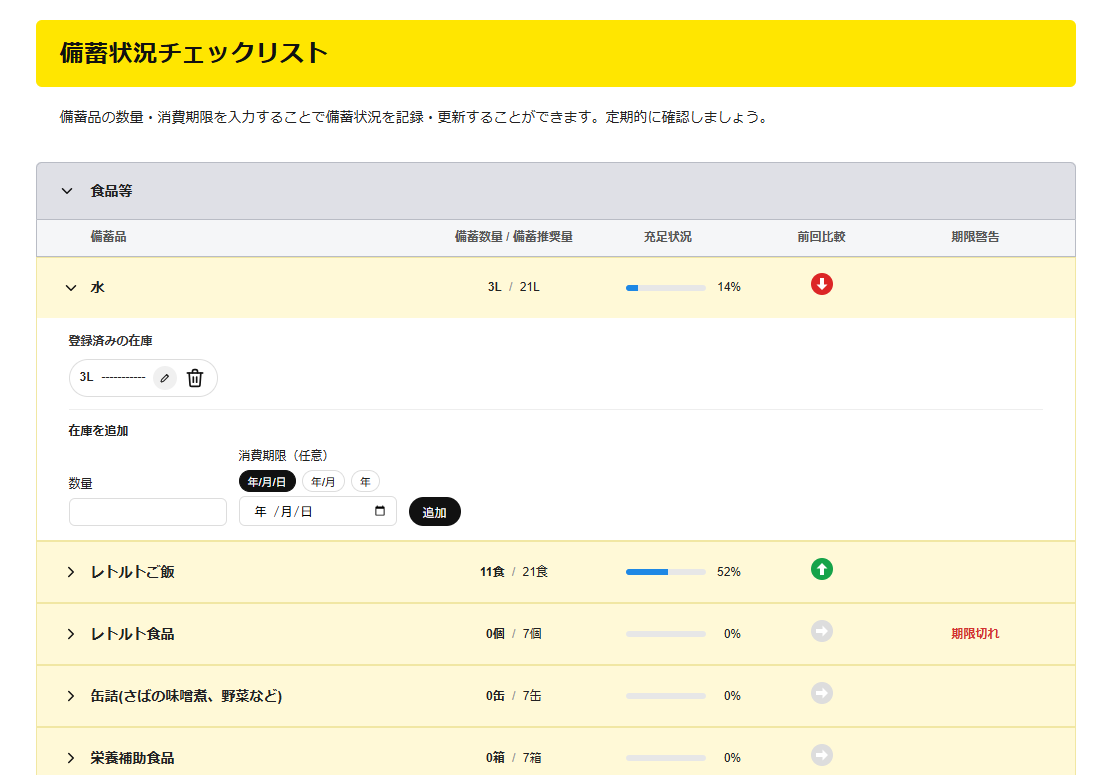
Let’s check the stockpiles you need!

Helpful articles for preparedness

We have information for those wondering “Do I really need stockpiles?” or “How much should I prepare?”
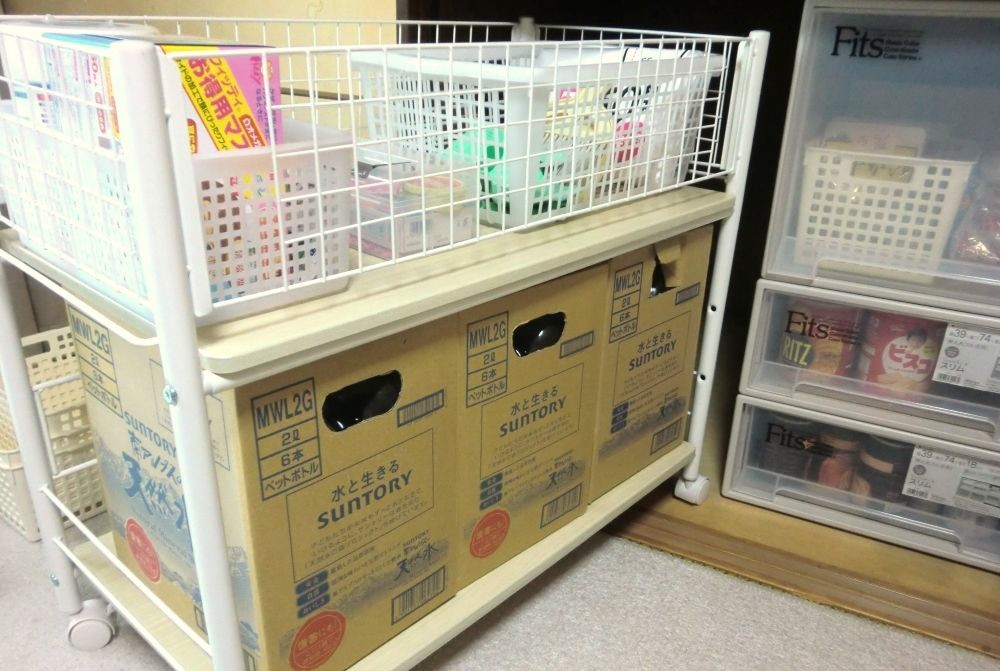
Aiming for a Japan where disaster stockpiles are the norm

Disaster preparedness guide for people with special needs:Vegetarian, vegan and allergy friendly food preparation

Disaster preparedness with pets: emergency supplies for pets and how to store them
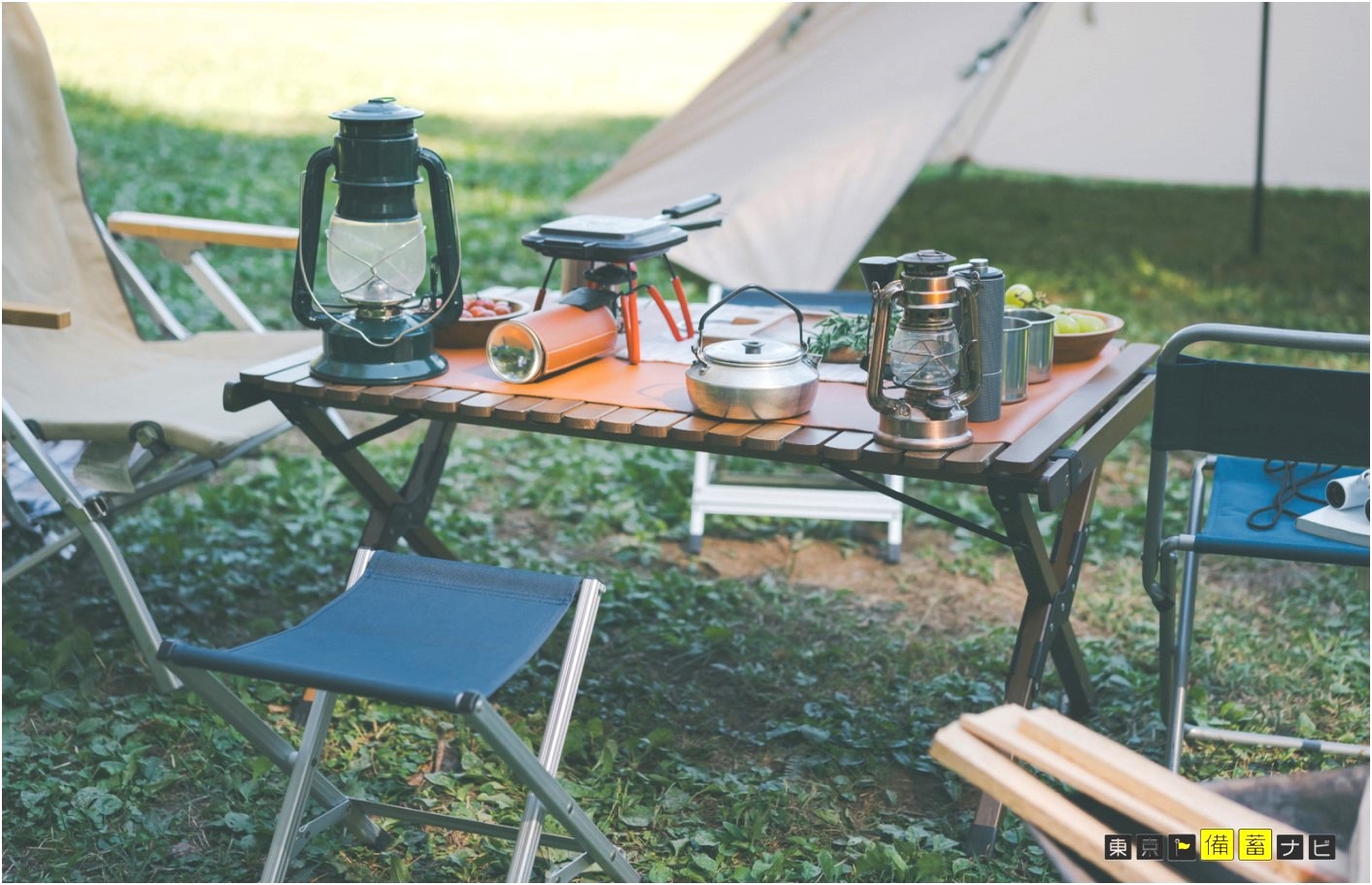
Prepare for the outdoors! Use camping gear to stock up on disaster preparedness supplies

Disaster prevention storage guide;helps to tidy up any rooms
Prepare for major disasters in Tokyo: Stockpiling and choosing home evacuation
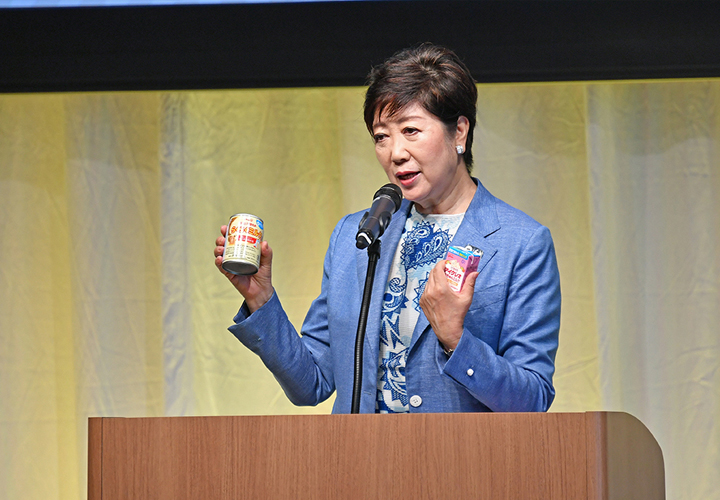
Emergency stockpiles based on lessons learned from the disaster-affected areas: Useful supplies
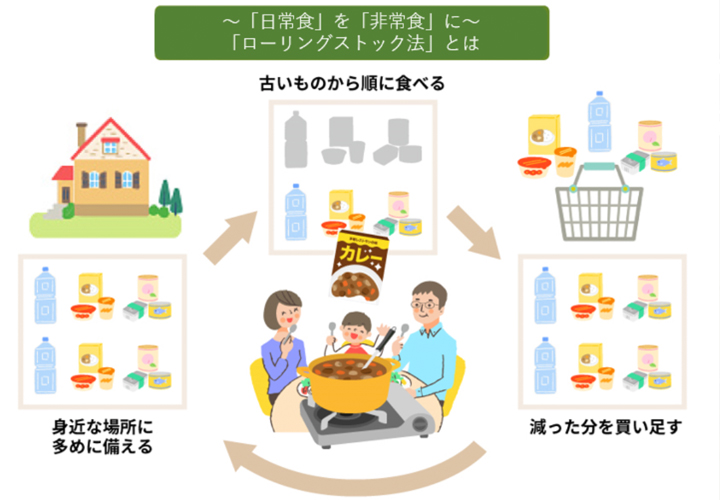
Frame of mind for emergency rations: “Keep in stock a bit more of what is used routinely”
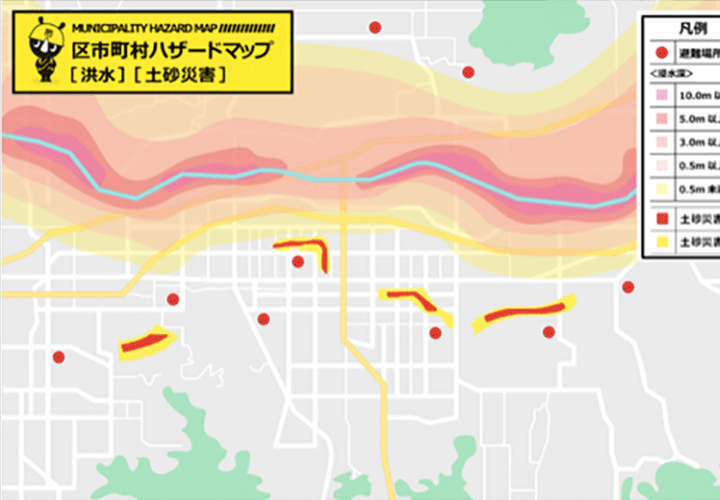
What is a Hazard Map? Understand Dangers in Advance and “Stockpile” Information
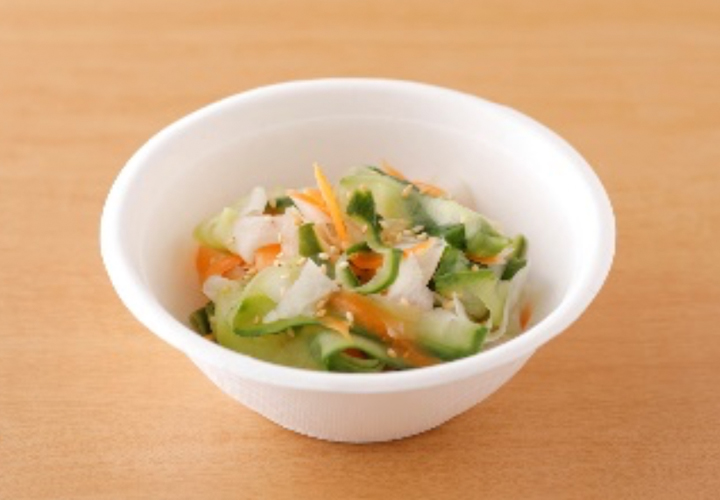
Recipes for Emergency Meals made with Stockpiled Food